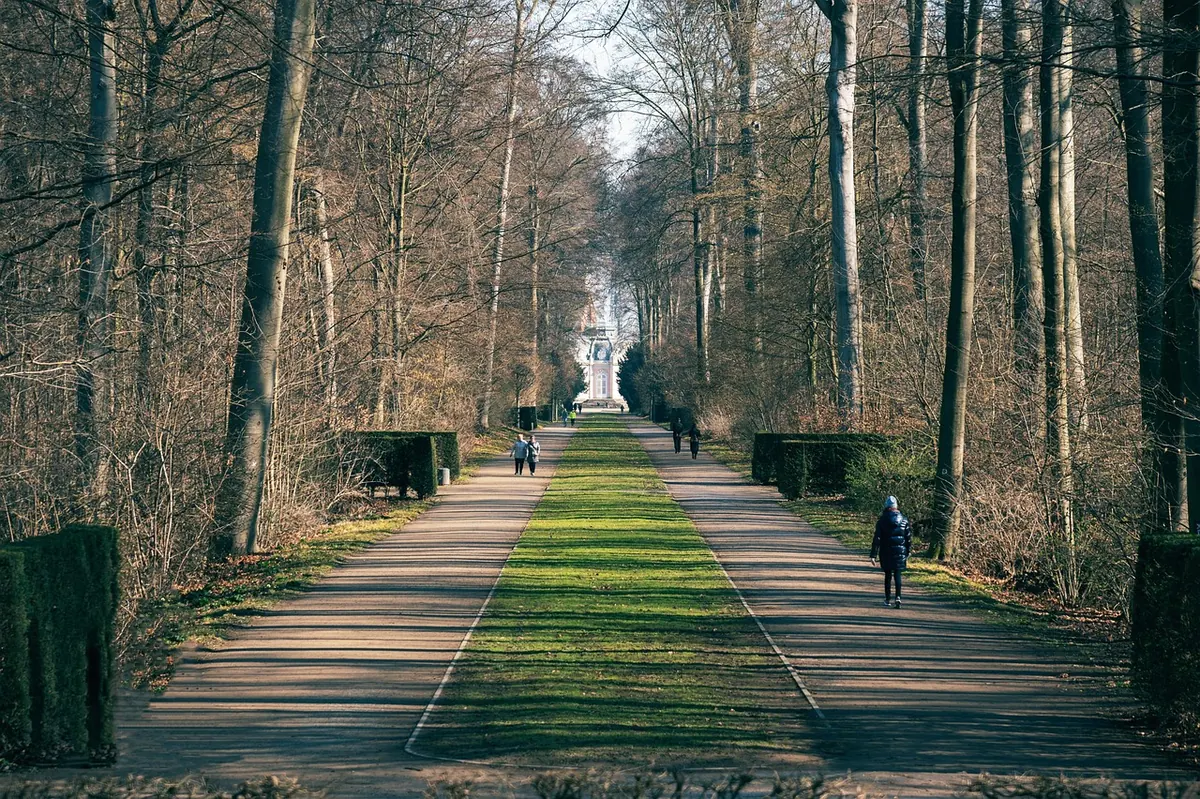
A walk with other people is one of the cheapest things you can do for your mood. It gets you outdoors, adds a bit of gentle movement to your day, and comes with company if you want it — or comfortable silence if you don't. The hard part is rarely motivation. It's knowing where to look.
There are free, led walks happening in most UK cities every week, run by charities, councils and volunteers. They are not boot camps, the pace is set by the slowest person there, and you will not be the only newcomer. Here's how to find one that fits.
Start with the national networks
The biggest scheme in England is Ramblers Wellbeing Walks, a network of short, gentle, volunteer-led walks that start from parks, community centres and leisure centres. It grew out of the old Walking for Health programme, so older listings and noticeboards may still use that name. Walks usually last between 30 and 90 minutes on easy ground, and they are free to join.
Scotland has Paths for All, which supports local Health Walks. In Wales, look for Let's Walk Cymru. In Northern Ireland, Walking in Your Community and WalkNI list similar groups. These networks come and go, and individual pages move around, so if a link or phone number is dead, go to the national body behind it and ask which walks are currently registered in your area.
Check what your council and GP surgery already run
Many councils quietly fund walking programmes under headings like "health walks", "active lives", "walking for wellbeing" or "park friends". Search your council website using those phrases, or ring the parks and leisure team directly. One phone call often beats twenty minutes of scrolling.
Your GP surgery is another route. Many practices now have a social prescribing link worker whose job is to connect people with local activities, including walking groups. Ask at reception whether anything like that exists. Community pharmacies, libraries and leisure centres also tend to know what is running nearby.
If you live with a heart, lung, joint or balance condition, or you are managing a long-term illness, speak to your GP or practice nurse before starting a new exercise routine. Most wellbeing walks are gentle, but it is worth checking first.
Where else to look in your city
- Council website: search "health walks", "walking group" or "active travel" plus your city name.
- Local charities: Mind, Age UK, Mencap and disability organisations often run their own walks, sometimes specifically for people with similar experiences.
- Parkrun: free, weekly, and walkers are genuinely welcome — you do not have to run. Volunteering is a low-pressure way in, too.
- U3A: local groups for people over 55 often include a walking section with no extra cost.
- Community noticeboards: libraries, churches, health centres and corner shops are still where some of the smallest and friendliest groups advertise.
- Parks trusts, canal towpath groups, Wildlife Trusts and National Trust associations: these often host free guided walks with a nature or heritage angle.
- Meetup, Nextdoor and local Facebook groups: search "[your city] walks" or "[your city] women's walking group". Quality varies, so read recent activity before committing.
- GoodGym: combines a run or walk with a volunteering task, which suits people who prefer doing something useful while they move.
Read the listing properly before you go
Check the day and time, the exact meeting point (a café name is not enough — find the entrance or postcode), the distance, the pace, and the terrain. Are there steps, stiles or mud? Are dogs welcome? Are there toilets at the start? Is it a loop, or a linear route finishing somewhere else with a bus or train back? Is it suitable for a wheelchair or a mobility aid? If the listing doesn't say, message the organiser. They expect questions from newcomers.
What actually happens on a wellbeing walk
People gather at a fixed point, there's a brief welcome, and often a register or a short health form for first-timers. Then you set off. Walks move at the pace of the slowest person, and most have a back marker so nobody is left behind. There is usually an optional stop for tea afterwards — bring a couple of pounds if you fancy joining, but the walk itself costs nothing.
Leaders are normally volunteers trained by the organisation running the walk, and the group is covered by that organisation's insurance. That is a good reason to join something established rather than turning up to an unvetted meet-up in a remote spot. Tell the leader about any health condition, and mention if you're planning to peel off early.
Making the first walk easier
- Arrive five minutes early and introduce yourself to the leader. Say you're new.
- Wear shoes you already trust, layers, and a light waterproof.
- Bring water, and enough for a bus fare home in case you want to stop sooner than planned.
- Treat the first walk as research. You are not committing to anything.
- Try two or three groups if you can — their personalities differ enormously.
- If you feel nervous, ask a friend, neighbour or carer along for the first one.
If a group feels like too much just now
There are quieter options. Many councils and civic societies publish free self-guided heritage or green routes you can follow alone. Canal towpaths and park perimeter paths are usually flat, well used and easy to judge. You could also start something small yourself: agree a fixed time and a fixed meeting point with one neighbour, post it on Nextdoor, and see who turns up. The formula is not complicated — a regular slot, a clear meeting place, and someone who will be there whatever the weather.
Your next step this week
Pick one thing and do it before the week is out. Search your council site for health walks. Ring your GP reception and ask about social prescribing. Or check the Ramblers Wellbeing Walks listings for your city and bookmark whichever one is within a bus ride of home and starts at a time when your motivation is highest — often earlier in the day for most people.
Then turn up once. You will know within ten minutes whether the group suits you, and you can always try another. The walk is free. The awkwardness of being new lasts about four minutes, and almost everyone there went through it too.
Photo: Tama66 / Pixabay