Most gratitude habits do not fail loudly. There is no dramatic moment of giving up. A notebook gets filled for four days in January. A reminder pings and gets swiped away. “Be more thankful” becomes one of those intentions that never turns into anything you can point to, and six weeks later you find the notebook under a stack of post and feel vaguely guilty.
The problem is rarely willpower. It is design. Gratitude works best when it is small, specific and attached to something you already do, and worst when it is big, vague and dependent on remembering.
What gratitude practice actually means
Gratitude is not a personality type, and it is not forced cheerfulness. It is a deliberate act of noticing something good and acknowledging it — privately, or out loud to another person.
There are two halves to it: the noticing, which changes where your attention goes, and the expressing, which changes your relationships. It is also not denial. You can be glad about a friend’s phone call on the same day you get a rejection email. Practices that ask you to pretend everything is fine tend to collapse, because part of you knows it isn’t true.
What the evidence suggests
Gratitude has been studied a fair amount, usually through short interventions: writing down things you are thankful for, writing to someone who helped you, or simply being asked to notice positives for a set period.
The pattern across that work is consistent but modest. People who take up a gratitude practice often report slightly better mood, more satisfaction with their lives, better sleep and warmer relationships than people who do not. The effects tend to be small, and they tend to fade when the practice stops. Much of the research relies on self-reporting, and people who choose to practise gratitude may already differ from those who do not — so treat this as a low-cost, low-risk habit rather than a cure.
The likely reasons are not mysterious. Attention is limited, and whatever you habitually look for fills more of the frame. Gratitude also counters the way we adapt to good things — the job, the flat, the healthy friend — and stop registering them at all.
A note on mental health: gratitude is a useful complement to proper support, not a replacement for it. If you are dealing with persistent low mood, anxiety or something heavier, speak to your GP or a qualified professional.
Why most gratitude habits fall apart
- Too big. Five items a night, a full page a day. Anything that feels like homework will lose to a tired evening.
- Too vague. “Be grateful” is not an action. You cannot do it, so you never start.
- Too repetitive. The same three entries in the same words stop producing any feeling after a fortnight. The list becomes a formality.
- No anchor. Relying on remembering means relying on the moment your mind is most crowded.
There is a subtler fifth: framing it as a debt. “I should be grateful” turns a pleasant habit into an obligation, and obligations get dropped first.
Low-effort ways to make it stick
Use one sentence, not a list
Write a single sentence: “Today I was glad that…” Thirty seconds, done. A second sentence is optional, but the floor should be one. Lowering the entry price is the most reliable way to keep a habit alive.
Attach it to something you already do
Habits stick to cues. Pick something that happens daily without fail — the kettle boiling, the last email sent, brushing your teeth — and make the sentence the thing that follows it. You are not adding a task, you are decorating an existing one.
Be specific enough to feel something
“My family” is a category. “The way my sister rang back within a minute, when I know she was busy” is a memory. If an entry does not bring anything back, it is too general.
Say it to a person
Writing things down is private. Telling someone is where gratitude starts paying you back socially, and it does not need to be a formal letter:
I have been meaning to say — the thing you did with the rota last month took a lot off my plate, and I noticed. Thank you.
Name the specific thing and the effect it had. That is the whole formula.
Rotate the lens
If you get bored, change what you look for rather than how often you look. One per week is plenty:
- A person who made your day easier, however briefly.
- Something your body did for you — a walk that was painless, a meal that tasted good.
- Something you would miss only if it vanished: hot water, a working kettle, a quiet street.
- Something difficult that taught you something you would keep.
- Something you are looking forward to, however small.
Try the walking version
If writing is the blocker, do it on your feet. On the walk home, name one thing that went right. No notebook, no app. Some people find saying it under their breath easier to sustain than typing it.
Keeping it going when it feels flat
Flatness is normal, and it is not a signal to quit. The practice is meant to be unremarkable most of the time; it is a background shift in what you notice, not a daily lift.
When it starts to feel like a chore, lower the bar rather than abandoning it. One sentence becomes one word. If you miss a week, restart at the next cue instead of waiting for a clean Monday. And if you are in the middle of something genuinely hard, it is fine to set the practice aside and pick it up later — forcing gratitude during acute distress tends to backfire.
One thing to guard against: using gratitude to compare yourself with people worse off. That is a different exercise, and it usually produces guilt rather than warmth. Gratitude is about noticing what is present in your own life, not ranking it against someone else’s.
Start tonight with one sentence
Pick one cue you already have — the kettle, the last light off, the walk to the station — and decide the sentence comes straight after it. Tonight, write or say one specific thing from the past twenty-four hours.
Give it three weeks, then ask whether anything shifted: your mood on an ordinary Tuesday, the number of times you thanked someone, how often you found yourself looking for something good. If it helped, keep it small and carry on. If it made no difference, change the form or drop it. Twenty seconds a day is a cheap experiment, and there is no prize for persisting with a version that does not suit you.
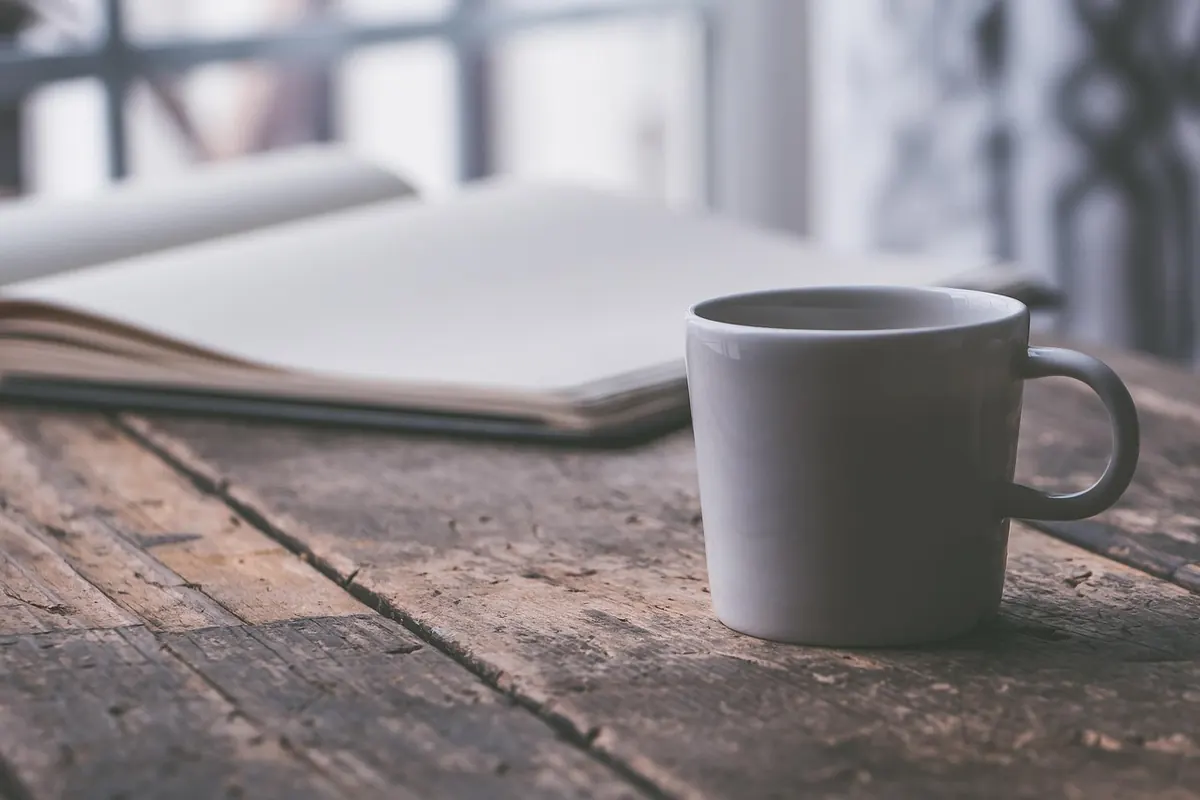
Photo: 6689062 / Pixabay